What has yet
to be told;
belongs
with INNA
From the heart of Southwest Asia and North Africa (SWANA), INNA creates a free space for producing and publishing audiovisual and written artwork, for holding, preserving, and archiving memory. A space where voices reclaim their right to be seen and heard, not from the margins of the story, but from its very heart, as its makers.
At INNA, we do not wait to be given a place within the narrative. We make that place ourselves. We tell our stories in our own voices, from where we stand, as we want them to be told.
We are artists, writers, and activists. We make and present work rooted in lived experience and shared memory; stories told by those who have lived them, through their own voices and images, or written in their own words. People who have broken through silence; who have refused the shadows, and refused to have their stories told for them.
From us, INNA came into being.
Here, through word, sound, and image, we resist systems that seek to suppress and silence us; to seize our narratives, constrain our imaginations, and distance us from ourselves, from one another, and from the places to which we belong.
And because we have to question the systems that shape our lives, INNA exists.
A space where we reclaim the right to tell, to preserve, to imagine; to see one another, and to be seen as we are, not as what others want us to be.
Our Mission
We document
our memory,
our lived
experiences,
& our truths
INNA creates a free and safe space where communities and those whose experiences are at the heart of the story can reclaim their narratives and shape how those narratives are told, documented, and shared.
We preserve memory and archive lived experience. Through storytelling, art, film, photography, research, and collective learning, we produce intersectional knowledge rooted in our local realities, knowledge that makes systems of injustice visible, calls them into question, and opens space for independent narratives and a political imagination that reaches beyond what dominant stories allow us to see.
Alongside communities and movements in Lebanon, across SWANA, and throughout the Global South, we work to move knowledge, storytelling, art, and research beyond documentation and expression, and toward forms of social change. In doing so, we seek to strengthen the ability of people and communities to shape public discourse, intervene in their present, imagine their futures, and push toward a justice that is both real and inclusive.
Our Vision
To see
one another,
& to be seen
as we are
We imagine a world in which communities across the Global South reclaim the right to represent themselves, shape their own narratives, and produce knowledge on their own terms. A world where we see one another, and are seen as we are, beyond the frames imposed by dominant patriarchal, colonial, and economic systems, and beyond narratives that reduce the experiences of our communities or speak in their name.
We imagine a future in which memory, storytelling, art, and knowledge become collective means of liberation and change; where political imagination can move beyond the reality imposed on us, expanding what communities are able to envision for their futures and how they take part in making them.
A future where communities are the authors of their own narratives, producers of their own knowledge, and active participants in shaping their realities. Where justice, equality, and dignity are lived realities, not promises endlessly deferred.
Our Methodology
Knowledge
is made with
the people
it comes from,
not on
their behalf
People are not simply sources or material for a story. They are the narrators of their own experiences and essential partners in producing knowledge and deciding how those experiences are represented.
We begin with lived experience as knowledge in its own right. We reject hierarchies that claim a monopoly on interpretation, take possession of narratives, or reduce the people behind those experiences to subjects of research or storytelling.
Our approach is intersectional. We understand social, gender, political, economic, and environmental justice as inseparable from one another, and believe that no experience can be understood without looking at the structures of power and the contexts that shape it.
Our methodology is grounded in:
- Experience as a Source of Knowledge: We begin with lived realities, testimonies, and local memory to understand the questions we engage with. We place them within their social, political, and historical contexts rather than forcing them into predetermined frameworks or interpretations imposed from elsewhere.
- Archiving as an Act of Reclamation: We document experiences and narratives in their context, with care for accuracy, safety, and the people they belong to. In doing so, we work to protect memory from distortion, erasure, and appropriation.
- Art and Storytelling as Ways of Making Knowledge: We work with literary forms, including storytelling, prose, and poetry, as well as photography, video, and other forms of creative expression, not simply to communicate knowledge, but to produce it: to question the realities we inhabit and open new ways of understanding them, and of imagining what might exist beyond them.
- Knowledge Made Together: We develop our content in collaboration with artists, journalists, writers, researchers, and content makers from the region, through partnerships, open calls, and spaces for collective learning and creation.
At INNA, the way a story is told is part of the story itself. We do not separate who tells from what is told or how it is told, just as we do not separate the making of knowledge from the justice we seek.
Editorial Policy
At INNA, stories are told with originality, integrity, and responsibility, without truth coming at the expense of the dignity of the people whose experiences they hold.
The INNA team and everyone who contributes to the platform share a responsibility to protect the independence, originality, and accuracy of the work, and to remain accountable to both the people whose experiences it carries and the audiences who encounter it.
Originality
We are committed to producing and publishing original work that reflects the contributor’s own perspective, voice, and creative language.
We do not accept plagiarism, the copying of another person’s work, or the reuse of work in whole or in part without clear attribution and, where required, the necessary permission.
Accuracy and Integrity
Contributors are responsible for verifying the information, facts, and sources on which their work relies before submitting it for publication.
We distinguish clearly between fact, opinion, analysis, and personal testimony. Unverified information and allegations must not be presented as established fact.
Where information is disputed or remains unresolved, its nature, source, and relevant context must be made clear.
Sources and Attribution
Information, quotations, research, data, and intellectual or artistic work must be clearly attributed to their original sources.
A person’s words or testimony must not be excerpted in ways that alter their meaning or remove them from the context in which they were given.
Where anonymous sources are used, there must be a legitimate reason for withholding their identity, such as protecting their safety. Anonymity does not remove the responsibility to verify information before publication.
Rights and Intellectual Property
By submitting work to INNA, contributors confirm that they hold the rights and permissions required to use the texts, photographs, illustrations, music, video, and any other material included in their work.
Material belonging to others may not be included without respecting the terms of its use, giving appropriate credit, and obtaining permission where necessary.
The Editorial Process
Contributors retain their voice and creative ownership of their work while recognising that editing is part of publishing on the platform.
The INNA team may suggest editorial or production changes to ensure accuracy, clarity, safety, and consistency with the platform’s editorial policy and publishing formats. These changes should not erase the contributor’s voice or alter the substance of the work without discussion.
Artificial Intelligence
INNA is committed to original, human-made work. For this reason, generative AI tools may not be used to write, rewrite, translate, or generate texts, images, videos, or voices submitted for publication as content on the platform.
This principle applies to the INNA team as well as to all contributors and collaborators. It reflects our belief that the relationship between a creator and what they create is an essential part of both the value of the work and the responsibility that comes with it.
Editorial Independence
INNA maintains full editorial independence in selecting subjects, setting priorities, defining its editorial direction, and deciding how content is approached.
Editorial decisions are not determined by donors, funders, or partners, whether in the choice of subject, its content, its position, or the way it is treated.
Articles and other work published under the names of individual writers and contributors express the views of their authors and do not necessarily reflect INNA’s position in every detail.
Diversity of Voices and Experiences
We work to make room for a wider range of experiences and voices from different places, backgrounds, and contexts, particularly those that rarely find fair representation in mainstream media and cultural spaces.
We do not treat any one person as the sole representative of an entire community, nor do we assume that one experience can stand in for the experiences of a whole group. Our communities are plural, shaped by differences in position, identity, experience, and need.
Language
We use language that respects human dignity and difference. We avoid discriminatory or stigmatizing terms, as well as language that reproduces stereotypes or the very power relations we seek to question.
We continually revisit our language as conversations within the communities we work with evolve. Wherever possible, we respect people’s right to define themselves and to choose the terms through which they are represented.
Sensitivity and Context
We do not treat events as isolated from the conditions that surround them. We seek to place stories and experiences within their social, political, economic, and cultural contexts so that the structures of power and circumstances shaping them can be better understood.
Particular care is given to work involving violence, sexual violence, sexual and reproductive health, conflict, displacement, discrimination, and other subjects that may carry additional risks or potential harm.
Images and Visual Content
We treat an image as part of the narrative, not simply as a way to attract attention or generate engagement.
We do not use images of pain, violence, or the bodies of victims and survivors in ways that are exploitative, degrading, or sensational. We avoid images that reduce people to their suffering or reproduce stereotypes about the communities they belong to.
Wherever possible, our visual work reflects people and communities with dignity and agency, not only through the language of victimhood.
Transparency and Accountability
We take errors, feedback, complaints, and objections concerning published work seriously.
When we identify an error, we work to correct it as soon as possible. We also revisit published material when new information or evidence emerges that affects its accuracy or safety.
For us, accountability does not stop at correcting facts. If a piece of work or an editorial practice is found to have caused harm, reproduced marginalisation, or reinforced exclusion, we commit to examining it, learning from it, and changing our practices accordingly.
The Right to Decline, Amend, or Withdraw Work
INNA reserves the right to decline any work that conflicts with its editorial policy or ethical standards, including after the work has been received or the editorial process has begun.
Where a serious issue concerning accuracy, rights, safety, or ethics emerges after publication, the platform may amend, correct, or withdraw the material, after consulting with the creator wherever possible.
Respect for the People Behind the Story
We treat people whose experiences enter our work as partners in the telling, not as raw material for content.
They have the right to understand how their testimony, images, or experiences will be used. We do not reshape their words in ways that distort their meaning or use their experiences to serve a narrative they did not agree to.
The people whose experiences are at the center of a piece may also be its contributors.
Informed Consent
When conducting interviews, recording personal testimony, or photographing people in non-public settings, we seek informed consent wherever possible.
Informed consent means that a person understands the nature of the project, the purpose of the material, how their image, voice, or testimony is expected to be used, and any reasonable risks that publication may carry.
Additional care is required when content involves sensitive circumstances or people whose situation may leave them more vulnerable to threats, stigma, or retaliation.
Protection from Harm
Protecting people from harm takes precedence over the literary, journalistic, or visual value of any work.
We prioritize the safety and privacy of anyone publication may place at risk. We avoid publishing names, photographs, locations, or other details that could directly or indirectly identify a person where doing so may expose them to harm, stigma, or threat.
We do not assume that withholding a name is enough to protect someone’s identity. Context, images, circumstances, and other details may still make a person identifiable.
Protection of Sources
We respect the confidentiality of sources where protection is necessary and do not reveal the identity of a source who has been promised confidentiality without their consent.
We balance the public’s right to know with a source’s right to safety and privacy, taking into account the security, social, and political risks that disclosure may create.
No Victim- or Survivor-Blaming
We do not use language that places responsibility for violence or abuse on victims or survivors.
We do not ask questions or construct narratives that suggest a person’s behaviour, appearance, or choices justify what happened to them.
We also avoid reproducing the language of perpetrators or parties implicated in violence as though it were a neutral explanation of what occurred. Where such accounts are relevant, they must be clearly attributed and placed in context.
Audiences and Content Notes
We consider the possible impact of our content on audiences, particularly when it includes details of physical or sexual violence, self-harm, death, or other painful experiences.
Where such details are necessary to understanding a piece, we use an appropriate content note so readers can know what they are about to encounter. A content note, however, is never a substitute for responsible editorial treatment.
INNA does not publish content that:
- contains hate speech or direct incitement to violence;
- promotes discrimination or exclusion on the basis of gender, race, class, nationality, disability, identity, or any other discriminatory ground;
- blames victims or survivors, or justifies violence committed against them;
- reveals the identity of people or sources in ways that may place them at risk without a clear ethical and editorial justification;
- violates privacy or uses personal experiences exploitatively;
- contains misinformation or substantial claims that cannot be verified while presenting them as fact;
- plagiarises the work of others or violates intellectual property rights;
- uses images of violence, pain, victims, or survivors exploitatively or for the sake of sensationalism;
- has been produced using generative AI tools in ways that conflict with INNA’s policy;
- fundamentally conflicts with the ethical and editorial principles of the platform.
In every case, INNA retains the right to make editorial decisions that weigh freedom of expression and the public’s right to know against the rights of the people whose experiences are represented, as well as our responsibility for the consequences that publication may carry.
Our Projects
-
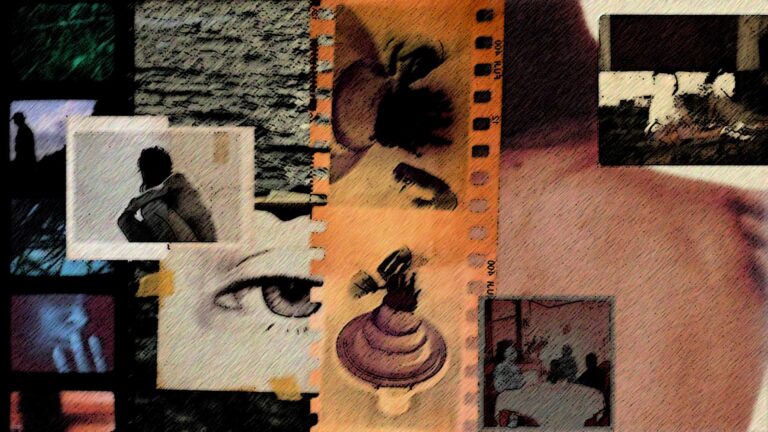
The Body as a Living Archive
Because nothing we live through passes without leaving a trace. It remains in the body, in its features, gestures, and transformations, bearing witness to what we have lived and what we continue to carry with us.
Meet the Team
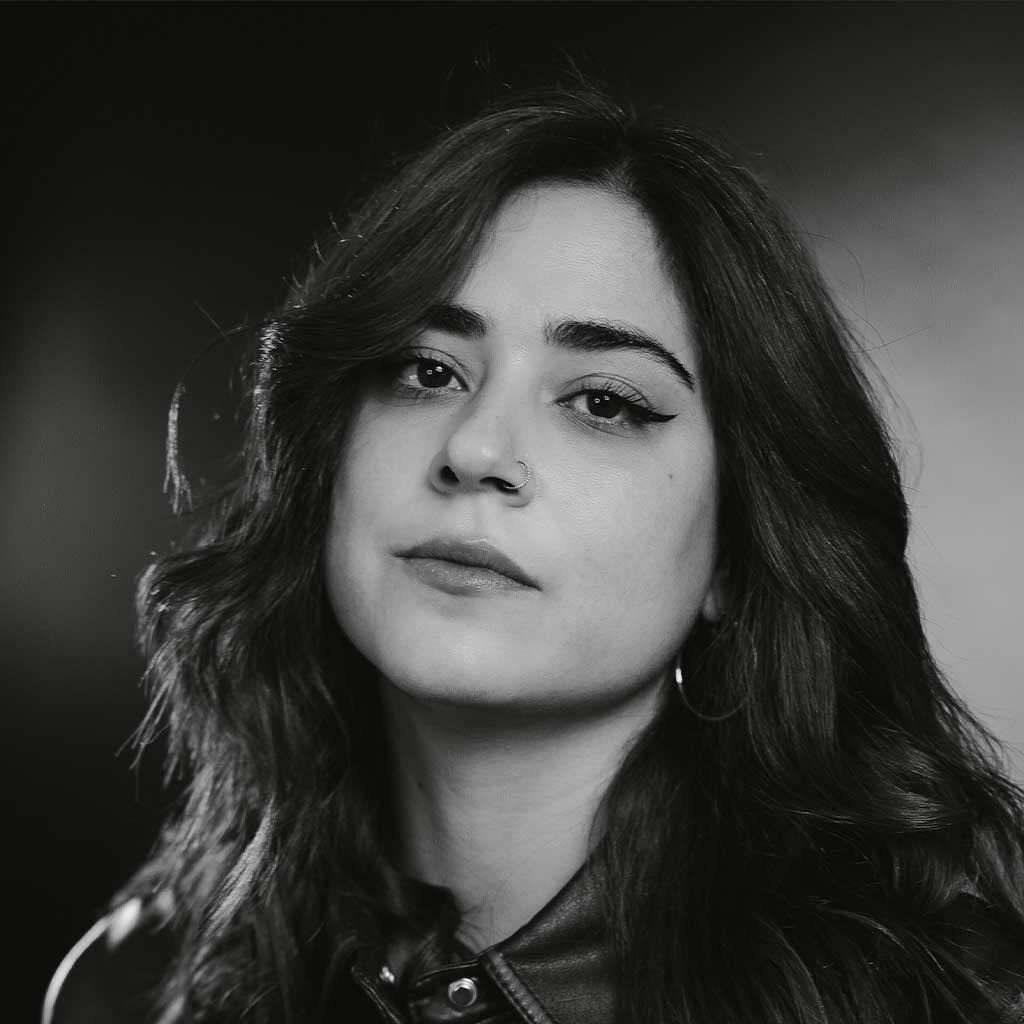
Maria Ghafary
Co-Founder, Creative and Audio-Visual Lead
Maria Ghafary is a Lebanese film director, writer, and activist who approaches cinema as a space to explore the emotional and social complexities of being human.
Drawn to the depths of the human psyche, her work navigates themes of justice, gender, human rights, and collective memory, approaching film as a path toward both personal and collective healing.
As the creative lead of INNA, she focuses on nurturing community-rooted narratives through audio-visual storytelling that questions stigma, preserves memory, and creates space for more honest, empathetic, and human conversations.
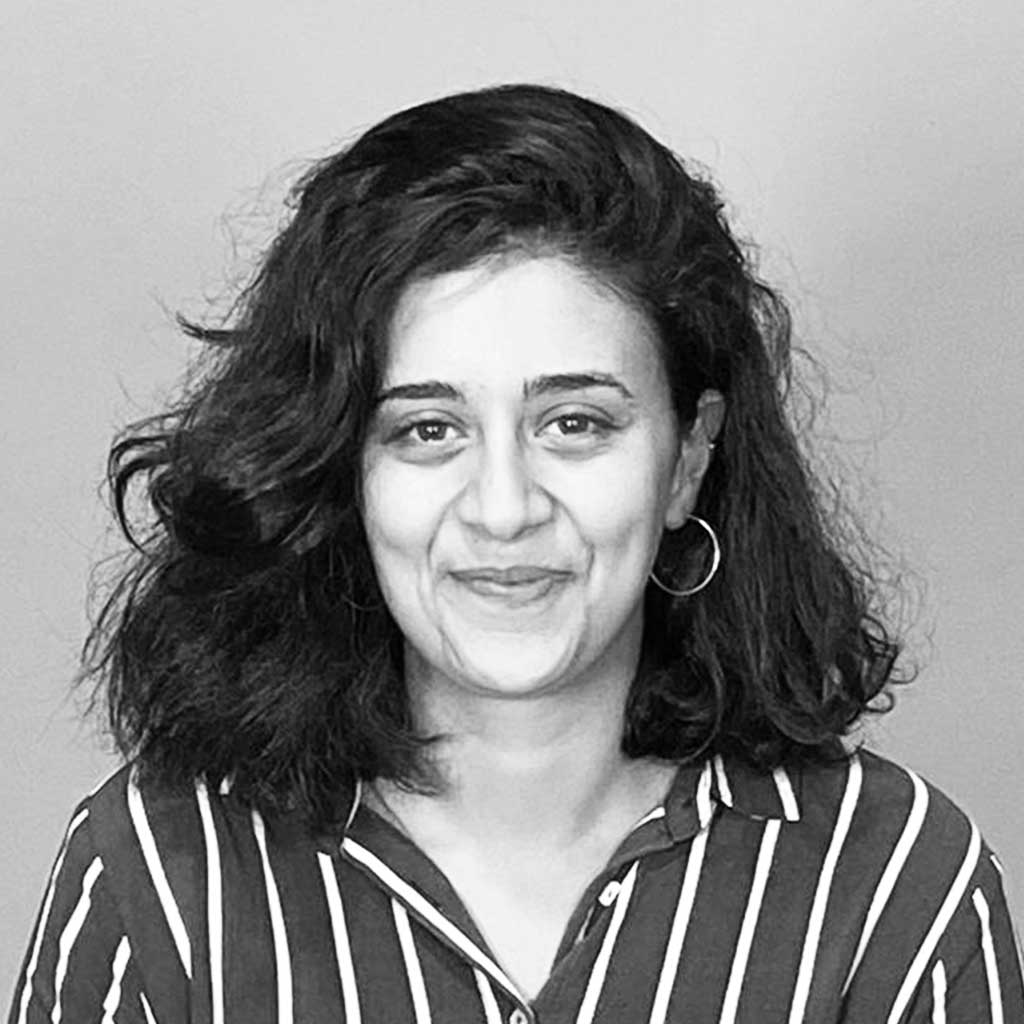
Ghewa Nasr
Co-Founder, Programs, and Fundraising Lead
Ghewa Nasr is a Lebanese feminist activist, researcher, cultural worker, and humanitarian practitioner working across gender justice, SRHR, climate justice, media, and decolonized feminist knowledge production in the SWANA region.
Her experience spans feminist research, advocacy, humanitarian response, program development, fundraising, grants advising, resource mobilization, and regional feminist learning.
She is the Program & Fundraising Lead of INNA Platform, where she contributes to building feminist, community-rooted spaces for storytelling, documentation, memory, and collective imagination.
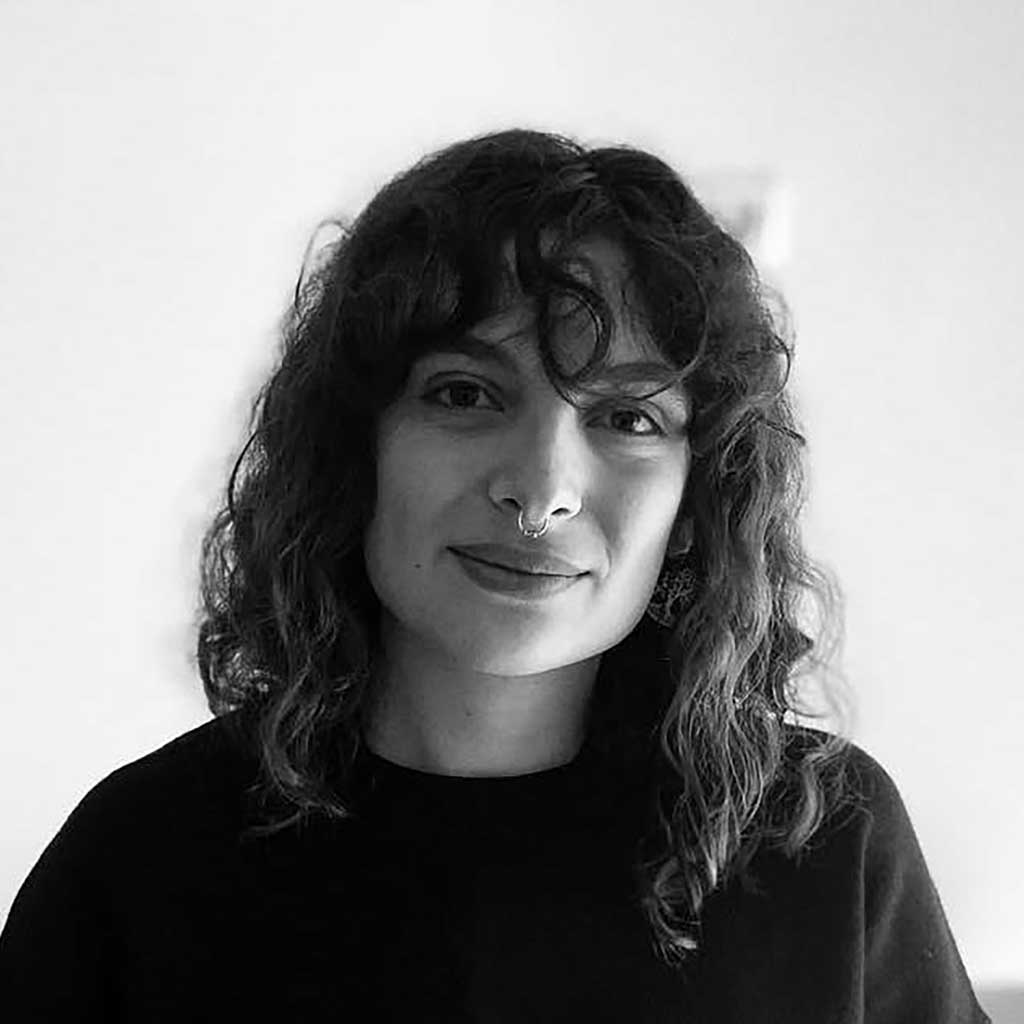
Mariana Abou Elias
Co-Founder, Administration and Finance Lead
Mariana Abou Elias is a filmmaker, assistant director, and documentary film producer. She produces documentary web series for social platforms, with a focus on human-centered stories.
She believes in cinema as the strongest form of expression and a tool for healing.
She is the administrative and financial lead while also overseeing the production of video content for INNA.
Our Partners & Supporters